What HMRC Commercial Software Really Means for UK Companies
For UK companies, the annual rhythm of compliance rarely feels simple. Between corporation tax returns, iXBRL accounts, and Companies House deadlines, directors often find themselves piecing together guidance, spreadsheets, and multiple portals. This is where HMRC commercial software comes in—platforms purpose-built to turn fragmented tasks into a guided, end-to-end process. Rather than being a single product category, it’s best understood as a family of digital solutions that communicate securely with HMRC’s APIs and follow the most up-to-date schemas and validation rules for submissions like the CT600.
In practical terms, modern HMRC-compliant tools aim to remove uncertainty by combining form logic, data checks, and filing automation in one place. They help directors and finance leads prepare computations, attach iXBRL-tagged accounts, and submit the corporation tax return without relying on expensive practice suites or complex desktop installs. Many solutions also integrate with accountancy workflows, so a company can collaborate with a bookkeeper or accountant while retaining clarity and control.
What sets commercial options apart from free or generic tools is the emphasis on completeness. A capable platform guides users through mandatory CT600 sections, dynamically reveals relevant schedules, alerts you to missing data (e.g., UTR, CRN, or accounting period inconsistencies), and ensures that attached files meet iXBRL and formatting standards. It also takes into account common small-company journeys—like dormant periods, first-year filings, changes in accounting reference date, and the transition from nil activity to initial trading—reducing both time and risk.
Security and auditability are non-negotiable. Trustworthy platforms employ encryption in transit and at rest, enforce strong authentication, and generate a clear record of what was filed, when, and by whom. They capture digital submission receipts and HMRC acknowledgments, making it easier to evidence compliance during funding rounds, due diligence, or routine audits. Features like deadline reminders and status tracking help directors avoid penalties, while in-product guidance translates technical HMRC messages into plain English.
Finally, cost and accessibility matter. Directors shouldn’t need a steep learning curve or a long-term contract to file a straightforward return. The best software reflects that philosophy with intuitive design, step-by-step help, and transparent pricing. For many UK businesses—especially those moving from dormant to active—this balance of clarity, control, and affordability is what turns compliance from a stressful annual hurdle into a manageable, repeatable process. If you are comparing options, explore solutions listed as hmrc commercial software to ensure you’re working with platforms aligned to HMRC’s latest digital standards.
Core Features to Look For: CT600, iXBRL, and End-to-End Filing
While “HMRC compatible” is a useful starting point, not all tools deliver the same depth. A strong HMRC commercial software solution should make you more confident at every stage of the corporation tax journey—not just at the moment of submission. Look for guided data capture that prompts you for the essentials: your company details (UTR and CRN), accounting period, tax computation inputs, losses brought forward, capital allowances, and (where relevant) adjustments like disallowable expenses. The system should intelligently surface only the schedules you need and validate entries against HMRC rules in real time, so mistakes are caught early.
Equally critical is robust support for iXBRL. HMRC requires corporation tax computations and accounts in iXBRL format, which means your software should either generate the tags automatically or make importing and attaching tagged documents straightforward. Quality platforms check that files are in the correct format, are within size limits, and match the accounting period and company details associated with the CT600. They should also let you preview and confirm attachments before sending, ensuring your final package is consistent and complete.
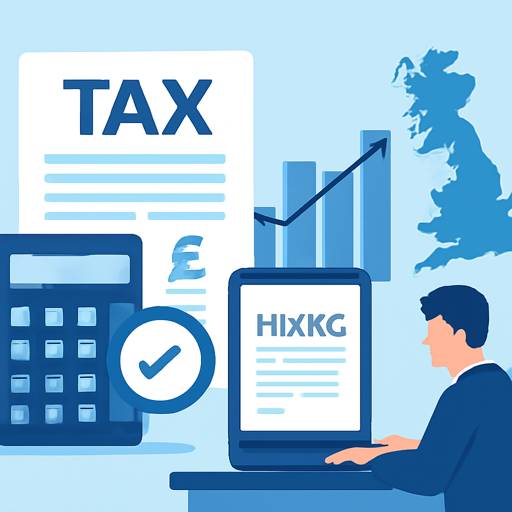
End-to-end filing extends beyond HMRC. Businesses often file micro-entity or small-entity accounts to Companies House alongside the tax return window. Software that supports the overall compliance cycle—helping you reconcile the figures used for the CT600 with what appears in filed accounts—reduces the risk of discrepancies that trigger queries later. A unified flow, with clear signposting around deadlines (such as tax payment due nine months and one day after the period end, and the CT600 due within 12 months), helps keep everything on track.
Other hallmarks of a well-rounded solution include secure authorisation with your Government Gateway details; a clean dashboard that shows filing status, errors, and next steps; and a clear audit trail. Practical features matter, too: carry-forward of prior-year data, currency handling for overseas transactions, support for amended returns, and printable summaries for board reviews or investor folders. Good software translates HMRC error codes into understandable prompts and offers context-sensitive help so you can fix issues without hunting through manuals.
Finally, consider the operating model. Cloud-based platforms with role-based access let directors, finance managers, and external accountants collaborate without version control headaches. If your company is small or dormant, verify that the tool accommodates nil returns and simplified workflows so you don’t pay or work more than you need to. For growing businesses, look for scalability—features that can flex as you move from a dormant year to your first trading period, then onward to more complex scenarios like capital allowances, loss reliefs, or small claims. This combination of CT600 depth, iXBRL fluency, and filing orchestration is what transforms software from a basic uploader into a real compliance partner.
Real-World Scenarios: From Dormant Startups to Growing SMEs
Every company’s compliance path is unique, but a few patterns are common—and the right software can make each feel straightforward. Consider a dormant startup that incorporated to secure its name, opened a bank account, and paused while validating product-market fit. When the first accounting period ends, the director still needs to handle corporation tax obligations. With a capable platform, the process is simple: declare nil trading activity, complete a stripped-back CT600 workflow, and attach the appropriate accounts (often micro-entity, prepared with minimal disclosures). The system checks alignment between the accounts and tax return, then files digitally to HMRC. The result is compliance achieved without unnecessary complexity or cost.
Next, imagine the same company begins trading modestly in the second year. Here, HMRC commercial software shines by adapting to new inputs without forcing a new process. The tool can prompt for turnover, allowable expenses, and any capital equipment purchased—guiding the director through capital allowances and loss reliefs where applicable. If there are brought-forward losses from a short initial period, the software helps identify where and how to apply them. Meanwhile, the iXBRL accounts prepared for Companies House dovetail with the CT600, reducing the risk of numerical mismatches that could prompt HMRC queries.
For growing SMEs, the stakes rise with complexity. Suppose a business expands headcount, invests in additional tooling, and begins selling across borders. Reliable software responds with better error handling, more granular schedules, and clear checks for foreign transactions or currency conversions. If the company’s accountant prepares the computations, the director can still use the same platform to attach and submit iXBRL-tagged documents, preserving an end-to-end audit trail. This is where strong role-based access and collaboration pay off: the accountant manages technical tax entries, while the director retains oversight and the final say on submission.
Real-world compliance also means managing deadlines and evidence. When payment of corporation tax is due nine months and one day after the period end—and the return itself is due within 12 months—software reminders can be the difference between a smooth filing and penalty exposure. After submission, the platform should store the HMRC acknowledgment and provide download-ready copies of the CT600 and attachments for internal records or investor due diligence. If you discover an omission, support for amended returns allows you to correct and resubmit without starting from scratch.
Finally, consider peace of mind. Comprehensive validation and human-readable guidance reduce the anxiety of cryptic HMRC error codes. If the software maps an error back to the exact section of the CT600 and explains how to fix it, directors reclaim time that might otherwise be lost to guesswork. This kind of thoughtful design—focused on accuracy, clarity, and speed—embodies the promise of HMRC commercial software: taking a process that traditionally felt high-stakes and opaque and making it transparent, reliable, and calm for UK company directors at every stage of growth.

Rio biochemist turned Tallinn cyber-security strategist. Thiago explains CRISPR diagnostics, Estonian e-residency hacks, and samba rhythm theory. Weekends find him drumming in indie bars and brewing cold-brew chimarrão for colleagues.