Across corporate development teams, private equity firms, and boutique advisors, the race to find proprietary opportunities has intensified. Markets move faster, data is noisier, and competitors see the same public deals at the same time. In this environment, deal sourcing software has become the quiet advantage—centralizing fragmented information, automating repetitive work, and letting experts spend more time building relationships and shaping theses. The promise is simple yet powerful: turn an ocean of weak signals into a focused stream of actionable leads, while maintaining the rigorous governance and privacy standards that modern M&A demands, especially in Europe.
Great platforms don’t replace judgment; they amplify it. They ingest company data from multiple sources, connect it to strategy, and surface the right targets at the right moment. And because data protection has become non‑negotiable, best‑in‑class tools embrace European-grade privacy, data residency, and auditability, ensuring teams can move quickly without compromising trust.
What Great Deal Sourcing Software Actually Does
At its core, deal sourcing is a data problem. Signals are scattered across registries, news feeds, social profiles, product catalogs, conference agendas, and proprietary networks. Effective deal sourcing software consolidates these inputs into a single workspace, harmonizing entities, deduplicating records, and enriching targets with firmographics, ownership structures, and financial estimates. This unified company graph is the foundation for everything that follows.
On top of clean data, leading platforms layer intelligent matching. Instead of broad SIC or NACE code filters, they parse strategy statements, investment criteria, and historical wins to build nuanced profiles. An industrial consolidator might weight recurring revenue, geographic density, and succession risk; a corporate acquirer could emphasize technology adjacency, IP, and compliance posture. With this context, the software ranks targets dynamically, pushing prospects up the list as fresh signals appear—new leadership hires, regulatory approvals, product launches, hiring spikes, or subtle website changes that hint at growth or fatigue.
Workflow matters just as much as algorithms. Strong platforms bundle prospecting, outreach, and pipeline management so researchers, principals, and legal can collaborate without hopping across spreadsheets and email threads. Tasks, notes, and documents live alongside the company record; stage gates reflect the real diligence journey; and automated checklists ensure consistent handoffs from origination to execution. Auto-generated one-pagers and first‑pass IC memos pull from the live record, so materials are always current.
European teams need more than features—they need guardrails. That’s why governance is embedded into great systems. Granular permissions control who sees sensitive information; data lineage and activity logs create a defensible audit trail; and privacy‑by‑design keeps personal data minimized and protected. For cross-border work, EU data residency and support for GDPR rights requests are essential. When platforms combine high‑quality signal detection, collaborative workflows, and robust compliance, the result is a durable engine for repeatable origination.
AI-Powered Workflows: From Market Scanning to Signed Term Sheets
Artificial intelligence changes the tempo of origination by compressing research cycles and spotlighting non-obvious opportunities. The right approach is human-in-the-loop: analysts set strategy; AI handles the heavy lifting; decision-makers apply judgment. Consider a mid‑market team in the Benelux region pursuing a buy‑and‑build thesis in specialty maintenance services. The platform ingests official registries, trade association lists, and multilingual websites; it classifies offerings beyond generic codes (e.g., elevator modernization vs. routine servicing); and it scores owner‑operated firms where succession indicators—tenure, age proxies, and local press—suggest openness to conversation.
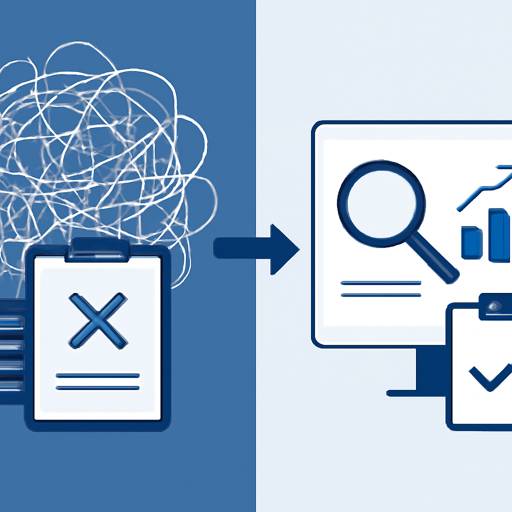
Signals are only as useful as their timing. AI watches for triggers: new tender awards, debt maturities, zoning approvals, ESG disclosures, or a string of niche job postings that point to a product pivot. When a trigger aligns with thesis criteria, the target is automatically prioritized and routed to the right originator along with context cards summarizing why it matters. Draft outreach emails reference specific achievements in a respectful, compliant way; follow‑ups schedule automatically if there’s no response; and replies sync to the pipeline, eliminating manual status updates.
As dialogues progress, the platform helps structure discovery. Question guides adapt to the sector; uploaded teasers and management decks are parsed to extract KPIs; and early financials are normalized for apples‑to‑apples comparisons. For PE, preliminary LBO screens test leverage sensitives with benchmarks from comparable deals; for corporate acquirers, synergy models translate operational overlap into tangible upside. Risks—license dependencies, key‑person concentration, exposure to volatile input costs—are flagged by pattern recognition rather than buried in notes.
Compliance and privacy stay front and center. NDAs, consent tracking, and document retention policies align with GDPR and emerging AI governance in Europe. Sensitive notes are masked by default; access is role‑based and logged. When the opportunity advances, draft IC memos and term‑sheet checklists compile from the living dataset, cutting days of rework. The result is velocity without shortcuts—faster sourcing, better qualification, and a cleaner handoff to diligence and legal, all within a single, auditable system.
Choosing the Right Platform: Evaluation Criteria, Security, and ROI
Not all solutions are created equal. A thoughtful evaluation starts with data coverage and quality, particularly in Europe’s diverse markets. Look for native support of EU company registries, multilingual site parsing, and strong connectors to trusted providers. Integrations with email, calendars, and the firm’s CRM remove friction, while APIs let teams enrich proprietary datasets. Most importantly, ensure matching logic can be tailored—if the software can’t reflect your thesis, its scores won’t earn your trust.
AI capabilities should be powerful and explainable. Black‑box recommendations might surface leads, but teams need to know why a target is ranked. Prioritize systems that reveal feature contributions, let you tweak weights, and preserve a transparent history of changes. Built‑in quality loops—thumbs up/down, fast relabeling, and feedback capture in the flow of work—help models learn from your wins and near‑misses. Testing scenarios in a sandbox environment before going live can prevent surprises.
Security and governance are non‑negotiable. Verify EU data residency, GDPR alignment, impact assessments for high‑risk processing, and clear handling of personal data in outreach. Enterprise-grade encryption, granular permissions, SSO, and comprehensive audit logs are table stakes. Many teams also look for ISO 27001 certification and documented AI governance that aligns with Europe’s evolving regulatory landscape. This is especially important when managing sensitive deal files, IC materials, and communications tied to material non‑public information.
ROI comes from time saved, quality improved, and wins created. A Brussels-based advisory, for example, consolidated spreadsheets and point tools into one workspace, cutting weekly status prep by hours and doubling the number of well‑qualified first meetings per quarter. Originators spent less time chasing stale leads and more time on conversations that matched their strategy. For evaluators building a business case, model three levers: reduction in manual research hours, uplift in conversion from first call to LOI due to better qualification, and cycle-time compression from automated materials and structured handoffs. When these gains compound over multiple funds or multi‑year corporate programs, the economics become compelling.
Ultimately, the best choice is the one that fits your market, your thesis, and your governance standards. European teams, in particular, benefit from providers designed around privacy‑first principles and cross‑border complexity. To explore how an AI‑driven, EU‑native platform can unify your sourcing, outreach, and pipeline management while meeting stringent compliance needs, consider modern deal sourcing software built for the entire deal lifecycle.

Rio biochemist turned Tallinn cyber-security strategist. Thiago explains CRISPR diagnostics, Estonian e-residency hacks, and samba rhythm theory. Weekends find him drumming in indie bars and brewing cold-brew chimarrão for colleagues.